
TRT Diary guide
TRT Symptom Tracker: Daily and Weekly Log Template
A TRT symptom tracker turns scattered day-to-day impressions into a timeline you can review before appointments.
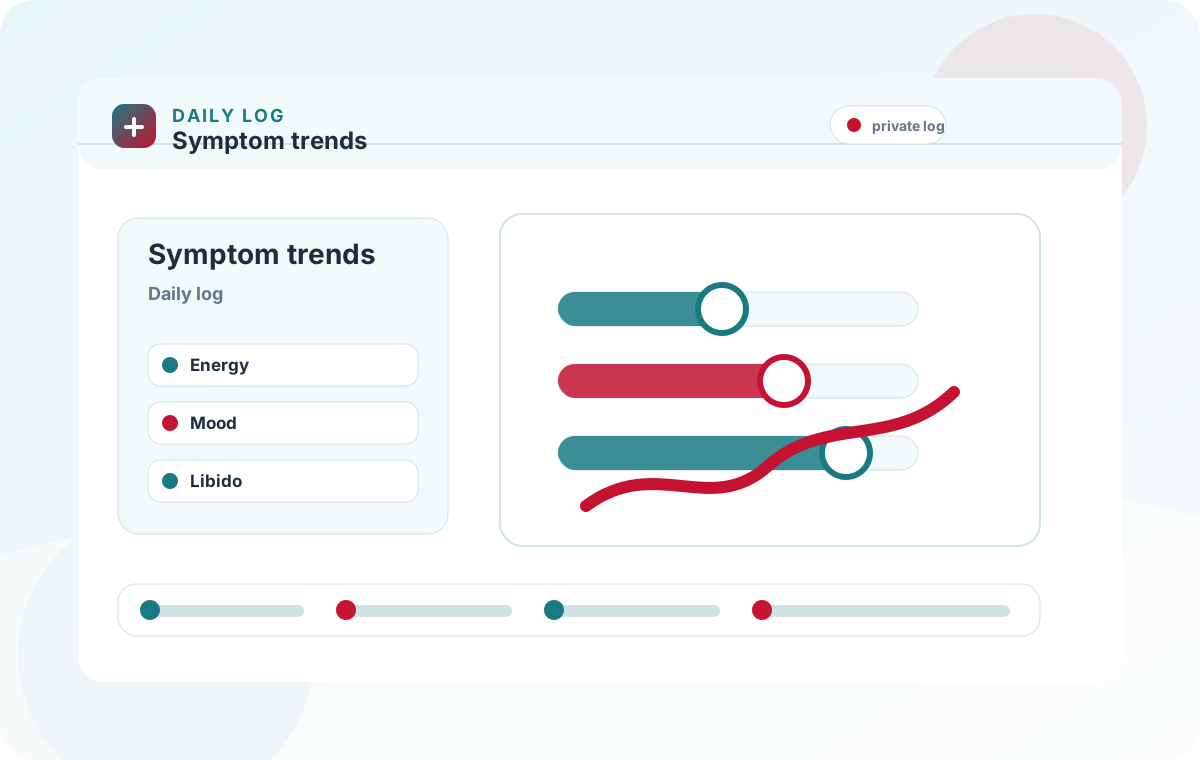
Symptoms to track
- Energy, motivation, mood, irritability, and focus.
- Sleep duration, sleep quality, snoring changes, and morning fatigue.
- Libido, erectile function, morning erections, and sexual side effects.
- Training recovery, strength notes, soreness, and stamina.
- Skin changes, acne, fluid retention, headaches, or other side effects.
- Doctor questions created from patterns you notice.
Free template
TRT symptom tracker XLSX
A daily or weekly symptom log for energy, mood, libido, sleep, focus, recovery, side effects, and clinician questions. Styled XLSX opens in Excel, Numbers, and Google Sheets. CSV is still available.
Use short scales plus notes
A simple 1 to 5 score for energy, mood, libido, sleep, and focus can make trends easier to scan. Add short notes when something unusual happens.
Weekly summaries are useful because daily symptoms can swing for reasons unrelated to TRT, including sleep, work stress, diet, illness, and training load.
Connect symptoms to events
Symptoms are easier to interpret when they are connected to lab dates, blood pressure readings, appointment changes, and injection schedule notes.
Symptom log template
| Field | What to record |
|---|---|
| Energy | Score and note what affected it. |
| Mood | Mood, irritability, anxiety, or motivation. |
| Libido | Interest, function, and changes from baseline. |
| Sleep | Hours, quality, waking, and fatigue. |
| Side effects | Any new or worsening symptoms to discuss. |
FAQs
Should I track TRT symptoms every day?
Daily tracking can be helpful early on, but a weekly summary may be easier to maintain. Consistency matters more than volume.
What is the best symptom scale?
A simple 1 to 5 or 1 to 10 scale works if you use it consistently and add notes for unusual days.
Can symptoms alone show whether TRT is working?
No. Symptoms should be reviewed with lab results, safety markers, medical history, and clinician guidance.